Exploring the charm and production process of Thai variety show studios behind the scenes of variety show filming helps to understand how these studios enhance program quality and broadcast stability. From a professional perspective, this article outlines the key stages from front-end signal acquisition to back-end output, emphasizing practicality and on-the-ground implementation. It provides valuable references and optimization suggestions for teams seeking to produce content in Thailand or engage in cross-border collaborations.
Overview of Thai Variety Show Studios: Functional Positioning and Industry Background
Thai variety show production studios typically handle core functions such as signal aggregation, switching control, audio and video processing, and streaming packaging. Their role lies between on-site filming and post-production. With the growth of regional cooperation and demand for cross-border content, studios are gradually shifting from traditional TV station intranets to systems that support multi-platform distribution, handling both live broadcasts and on-demand content. They have become essential central facilities in the program production chain.
Computer room layout and functional zoning: Spatial design for efficient processes
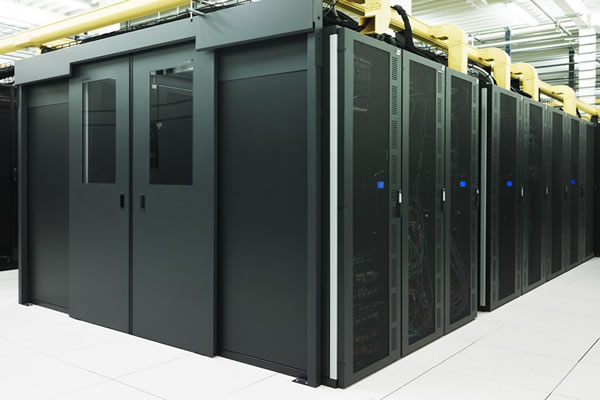
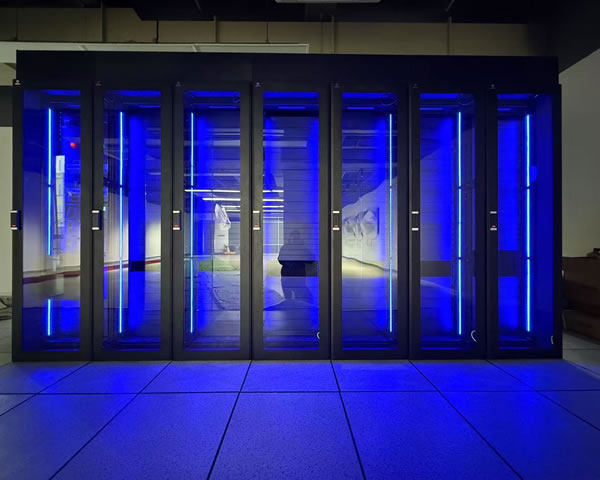
A rational layout of the machine room clearly separates the control room, audio area, signal convergence area, and monitoring area, ensuring short signal paths, easy access, and simplified troubleshooting. Modular racks and redundant power supply designs are typically used to reduce the risk of single points of failure ; Furthermore, wiring and heat dissipation management are also important considerations for improving stability and future scalability.
Core Equipment and Signal Flow: The technical chain from collection to output
Core equipment includes video switchers, audio mixers, routers, encoders, and timecode synchronization devices. Secondary acquisition and signal backup are equally crucial. The signal flow is typically camera acquisition → front-end signal processing → switching and mixing → real-time encoding → monitoring and recording. A standardized process helps reduce latency and ensure consistency across multiple outputs.
Post-production and real-time switching process: Balancing efficiency and artistry
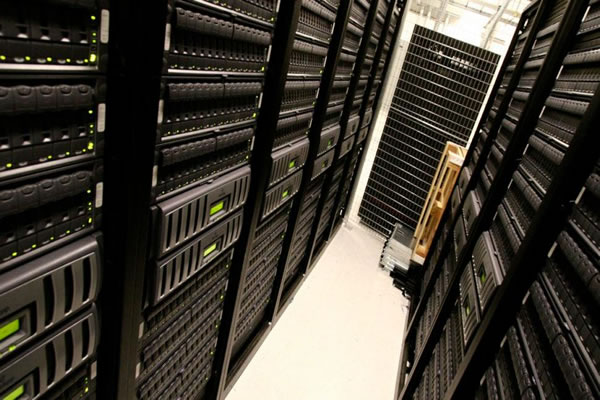
In variety show filming, post-production works closely in conjunction with real-time switching: Real-time switching ensures tension at the live broadcast, while post-production editing is responsible for pacing control and content packaging. Thai server room It typically supports instant playback, multi-track material recording, and seamless integration with non-linear editing, thereby enabling both fast delivery of results and high-quality final products.
Team Collaboration and On-Site Management: Roles and Responsibilities
Efficient data center operation relies on clear role division and collaboration mechanisms, including a technical director, switcher, audio controller, coding engineer, and technical support. Standardized operating procedures, real-time communication channels, and emergency plans can significantly reduce the risk of unexpected events ; At the same time, regular drills and equipment calibration are key to maintaining long-term stable output.
Localization Advantages and Compliance Requirements: Coordination of culture and regulations
Thailand has advantages in localized production, such as language expertise, a wealth of filming locations, and flexible cost structures. However, it must also comply with local regulations regarding copyright, broadcasting, and content censorship. When designing and operating a studio, compliant archiving mechanisms, content approval processes, and data sovereignty requirements should be considered to ensure the legality and compliance of programs in both local and export markets.
Summary and Recommendations
Exploring the charm and production process of Thai variety show studios behind the scenes of variety show filming: A stable technology chain, reasonable space design, and efficient team collaboration are the elements of success. It is recommended that producers prioritize evaluating signal redundancy, post-production integration capabilities, and compliance risks during the preparation phase. They should also establish a long-term communication mechanism with local data centers to improve program production efficiency and sustainable output capabilities.